Zimbabwean ZiG
The Zimbabwe Gold (ZiG) is the official currency of Zimbabwe, introduced in April 2024. Backed by hard assets, it was implemented to replace the Zimbabwean dollar.
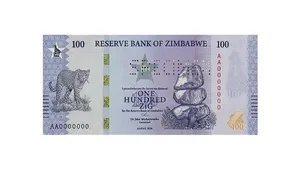
| Legal Name | Zimbabwe Gold |
|---|---|
| Introduced | 8 April 2024 |
| Issuing Authority | Reserve Bank of Zimbabwe (RBZ) |
| Active Coins | N/A (Plans in progress) |
| Active Banknotes | 10 ZiG, 20 ZiG |
| Launch Exchange Rate | 13.56 ZiG = 1 USD |
Background
The introduction of the ZiG marks Zimbabwe's sixth attempt since 2008 to establish a stable, independent national currency. It officially replaced the Zimbabwean dollar (ZWL), a currency that suffered from rapid depreciation. By the time the ZiG was announced on April 5, 2024, the ZWL's official exchange rate had surpassed 30,000 per U.S. dollar, with parallel market rates reaching 40,000.
To facilitate the transition, the Reserve Bank of Zimbabwe (RBZ) instructed financial institutions to convert all existing ZWL balances and obligations into the new currency, giving citizens a 21-day window to convert their physical cash.
Value and Asset Backing
The primary distinction of the ZiG is its claim to be backed by US$900 million worth of hard assets, which includes gold, foreign currencies, and other precious metals.
The currency began officially trading on April 8, 2024, at an initial exchange rate of 13.56 ZiG to one U.S. dollar. Following its launch, it was allowed to float freely on the market.
Denominations and Physical Characteristics
The physical currency features a mix of coins and banknotes, though initial rollout plans were adjusted to mitigate inflation risks.
- Coins: The RBZ introduced 1, 2, and 5 ZiG coins into circulation on April 30, 2024. Plans exist for smaller fractional coins (1⁄10, 1⁄4, and 1⁄2 ZiG).
- Banknotes (2024 Series): Initially, an eight-denomination series was planned, but only the 10 and 20 ZiG notes entered circulation. The 1, 2, and 5 notes were converted to coins, while the release of the 50, 100, and 200 notes was postponed.
- Design & Security: The 2024 banknotes are nearly identical in base design, differentiated by color and value. The obverse features the Domboremari and a scannable QR code that returns a verification text string, while the reverse depicts liquid gold being poured over a stack of twelve gold bars.
- 2026 Series Update: A new series featuring enhanced durability, upgraded security, and new animal designs on the obverse was slated for 2026. The 10, 20, and 50 ZiG notes from this new series officially released on April 7, 2026.
Market Performance and Challenges
Despite its hard-asset backing and structural rollout, the ZiG has faced significant economic headwinds since its introduction.
While the RBZ tightened monetary policies to halt depreciation, the currency struggled to maintain its initial value against the U.S. dollar. By October 2024, the ZiG had officially lost half of its value, trading at 27 ZiG to 1 USD, while suffering even steeper 75% losses on unregulated markets. Recognizing the inflation pressures, the RBZ officially devalued the currency by 42.55% in late September 2024, adjusting the rate to 26.36 ZiG per USD.
The pressure continued into 2025. By February 2025, the ZiG's value on the unregulated market had fallen to just 5% of its original launch value. This decline occurred despite global gold prices rising by 24% over the same period, and the RBZ injecting over US$400 million to support the currency. However, following the tightened monetary policies, the monthly inflation rate for the ZiG did cool significantly, dropping to 0.5% by February 2025

